VK

Ownersbox
A Fantasy Sports App
Overview:
Fantasy sports is a type of online game where participants create virtual teams composed of real-life sports person. Points are awarded based on the actual statistical performance of the players in real-world games. Users compete against each other based on these scores, making strategic decisions to maximize their teams' success.
My Role:
-
Senior UI/UX Designer
Core Team:
-
Myself
-
Developers
-
Founders
Sector:
-
Business to Customer (B2C)
Goal:
Redesign the mobile web, web, and native mobile apps and establish a structured design process. The light mode was planned to be developed in the second phase.
Duration:
8 months

IMPACT
Increased
User Base by 26.2%
Improved UI and UX attracted more users to the platform.
Reduced
User Complaints
The improved UI/UX addressed previous pain points, leading to fewer complaints and a smoother user experience.
Higher
User Satisfaction - 96.4%
Existing users expressed greater satisfaction with the updated UI and improved usability.
Improved
Work Culture
Sprint planning brought clarity to tasks, reducing stress and last-minute changes.
Increased Recommendation Rate - 95.2%
More users began recommending the platform to others due to the improved experience.
Reduced Design &
Development Time
The design system streamlined the design & development process, reducing inconsistencies and saving teams time and effort.
Challenges
1. Conflicting Expectations for Design Process
The founders wanted a design process but only if it worked in their favor. They resisted structured workflows that might slow down their ad hoc decision-making, making it difficult to implement industry-standard UX processes effectively.
2. No Previous Designs
The existing apps were developed without the design files. I had to refer to the live website, mobile app, and a few scattered Figma screens to rebuild the designs from scratch.
3. Lack of Design Process
The company had no structured design workflows. The co-founders would directly set up meetings to discuss what they wanted, leading to ad hoc requests, unclear task descriptions, and miscommunications. I was directly taking tasks from the CEO and co-founders, which led to frequent scope changes and a lack of clear prioritization. The founders were initially against implementing a structured design process, believing that processes would slow down work rather than improve efficiency.
4. No Design System
Developers implemented inconsistent styles across the platform. A developer mentioned that there were 83 different shades of blue applied to the same button across different pages.
5. Lack of UI/UX Understanding
Management did not fully grasp UX principles, leading to frequent last-minute changes.
6. Limited Sports Knowledge
Coming from a non-sports background, I had less exposure to fantasy sports, which required additional research to understand user expectations and industry standards.
Solutions & Process
Mentorship & Team Growth
-
A junior UX designer joined the team, and I took on the responsibility of mentoring and guiding him.
-
Provided hands-on training on design best practices, design systems, and workflow efficiency.
-
Helped him navigate the startup environment, ensuring he understood project priorities and how to communicate design decisions effectively.


Establishing a Design Process
-
The founders wanted a design process but one that catered to their preferences and immediate needs, rather than a standardized workflow.
-
Introduced Sprint Planning to facilitate structured planning and execution while ensuring flexibility to accommodate founder-driven priorities.
-
Used Jira for task management, ensuring each request had clear descriptions and accountability.
-
Standardized documentation to track design decisions and feedback.
-
Implemented weekly check-ins with the founders to align on priorities, provide updates, and ensure a smoother decision-making process.
-
Addressed concerns from the founders about process slowing down work by demonstrating how structured workflows improved efficiency and reduced unnecessary back-and-forth.
Creating a Design System
-
Developed a comprehensive design system to unify styles, components, and interaction patterns.
-
Standardized colors, typography, and UI components, reducing inconsistencies and development time.
-
Ensured better collaboration between designers and developers by centralizing assets.


UI/UX Redesign
-
Conducted UX research to understand user pain points and improve the experience. Performed user testing using UserTesting.com to gather real user feedback and iterate on the designs.
-
Designed the dark mode first, with light mode planned for phase two to enhance user accessibility progressively.
-
Rebuilt the entire UI from scratch using a modern, scalable design approach in Figma.
-
Added designs for new fantasy sports like golf and football, expanding the platform’s offerings and ensuring consistency across different sports.
-
Conducted industry research to bridge the knowledge gap and ensure my designs aligned with fantasy sports user expectations.
Design System Snapshot
A few components of the design system.

Application Screens
Web Application Screens - Please use the slider arrows to navigate between screens.


Mobile Application Screens - Please use the slider arrows to navigate between screens.


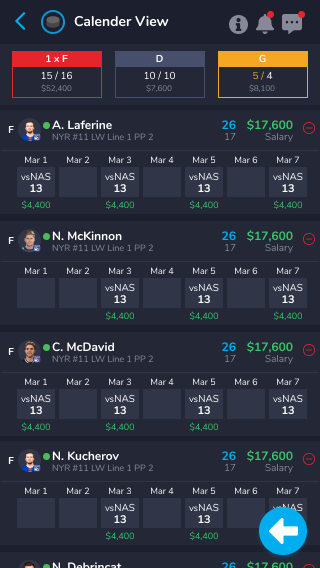
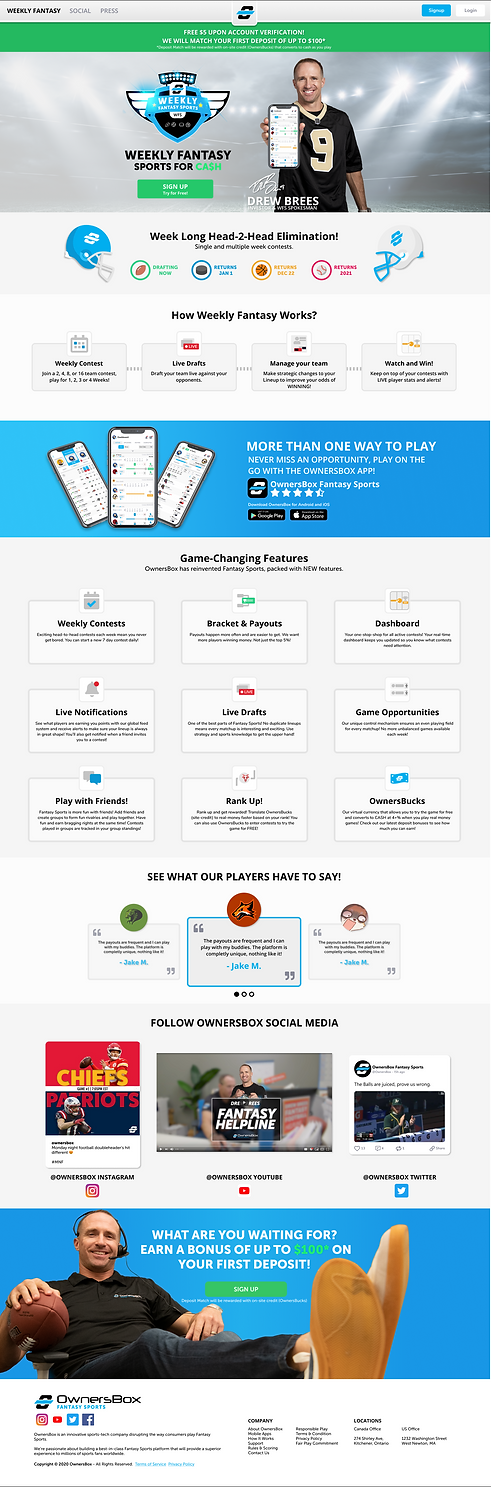
Web Page - Dark and Light Mode

Key Learnings
-
Advocating for UX is crucial in startups where design maturity is low.
-
Structured design processes help scale products efficiently, even when initially met with resistance.
-
A strong design system saves time and enhances product consistency.
-
Cross-team collaboration is key to delivering high-quality digital experiences.
-
User testing is essential to validate design decisions and ensure usability.
-
Expanding features thoughtfully ensures a seamless user experience across different game formats.
-
Adaptability is essential—overcoming a lack of industry knowledge through research and testing can lead to effective design solutions.